There are creatures on this earth so small that a man might walk past a thousand of them and never guess at the quiet magic they carry. Among these miniature folk are the blonde rubber ducky isopods, tiny wanderers with colors as soft as the early morning sun. Anyone fortunate enough to meet them will find a kind of hushed delight, as though stumbling upon a secret well kept by nature herself.
To speak of them is to speak of a living whisper. Their pale tint glows like worn gold, the kind a prospector might sift from a mountain stream only to discover it slides through his fingers like a dream. These isopods carry that same fleeting shimmer, a tint too gentle to boast, yet too captivating to ignore.
They are creatures that seem to be thinking always, though so quietly that a man would need to soften his own thoughts just to match their frequency. One might watch them inch across bark or stone and feel, for a moment, that the pace of the world is not nearly as urgent as it pretends to be. In their modest steps lies a lesson, and perhaps even a blessing.
Blonde Rubber Ducky Isopods Habitat and Subtle Wilderness
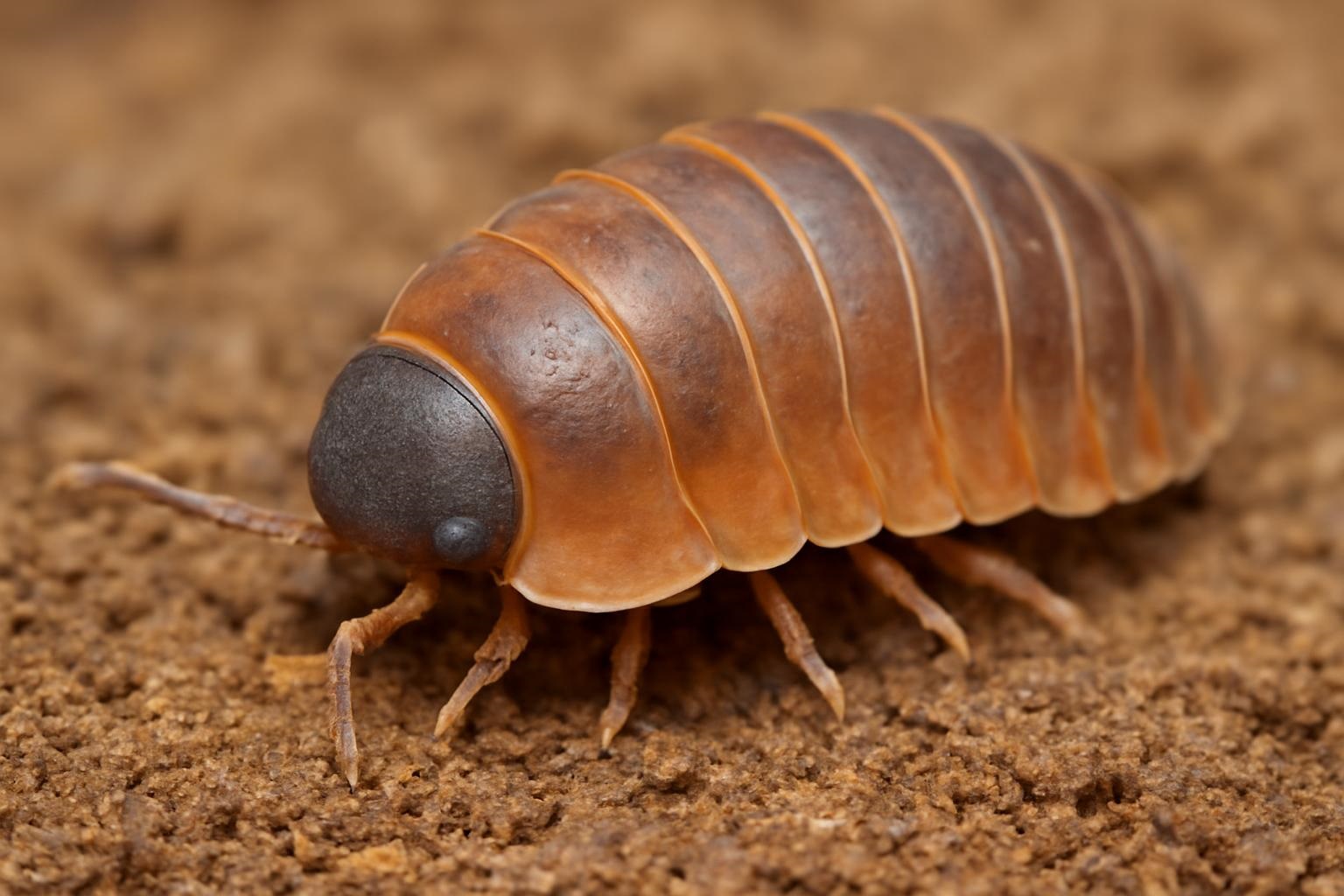
The blonde rubber ducky isopods keep a home made from shadow and damp soil, a world snug enough to comfort even the most timid of hearts. They flourish where leaves have fallen and stayed long enough to forget the tree that bore them. In such places, the ground becomes a quilt patched by nature, stitched together by moss, driftwood, and the earliest whispers of decay.
These isopods prefer corners where sunlight visits only as a shy guest. Yet somehow, the faint warmth that slips through the canopy, reaching them in rare golden ribbons, gives their pale bodies a gentle glow. Anyone patient enough to watch them by that softened light will witness a quiet pageant, a procession of tiny explorers in a kingdom no bigger than a man’s palm.
A terrarium meant to welcome them must carry something of this wild simplicity. Earth loosened by time, bark softened by moisture, and stones rounded by their own long stories. Nothing more elaborate is needed. They ask for nothing extravagant, only what nature gives freely. The caretakers who understand this find that the isopods thrive, not by force, but by quiet contentment.
Blonde Rubber Ducky Isopods Behavior and Quiet Tales They Tell
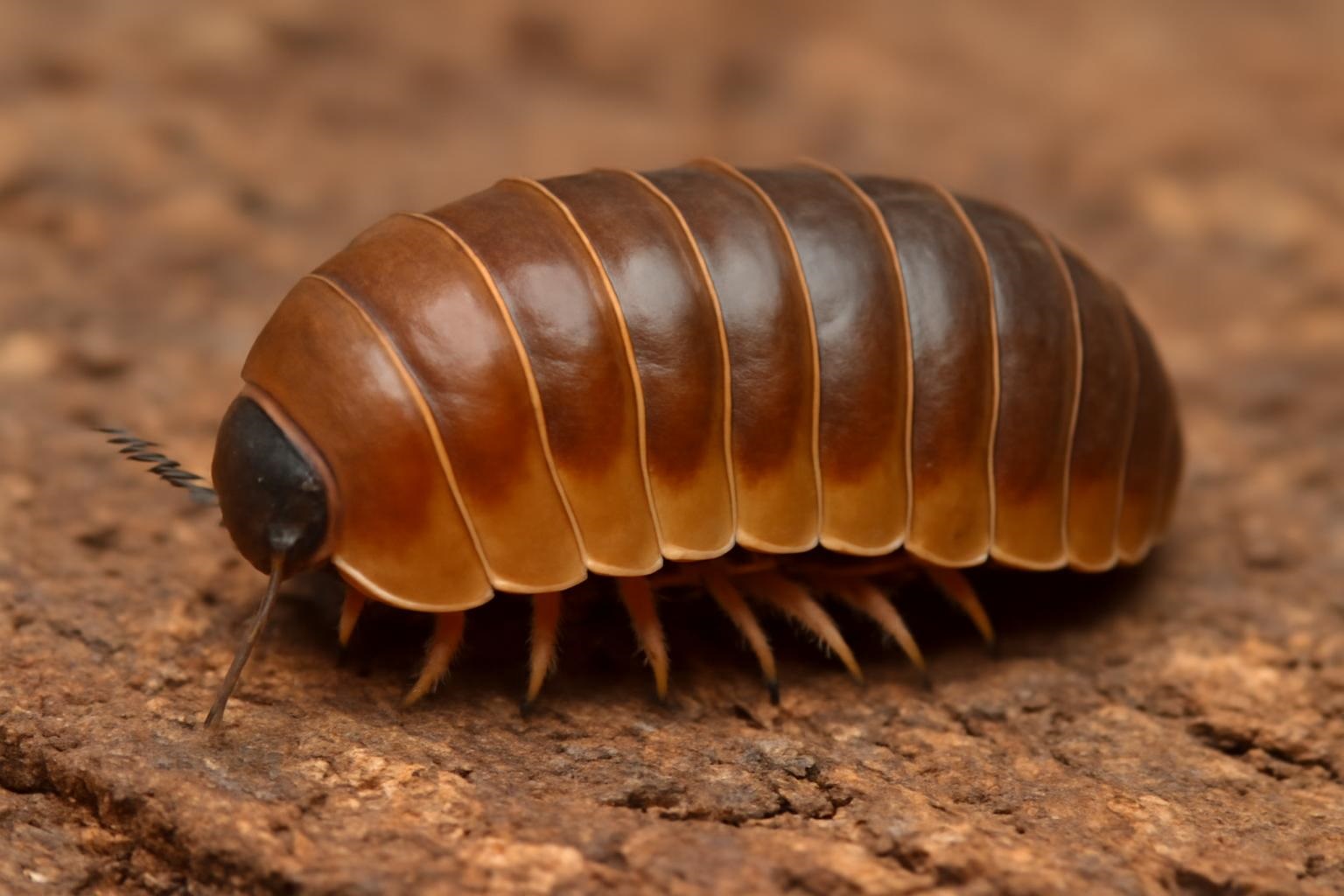
If a man wishes to read the story of the blonde rubber ducky isopods, he must lower himself to their world and surrender any need for haste. Their tale is not written in bold strokes but in soft gestures. A wiggle of antennae becomes a declaration. A slow unfurling from beneath a leaf becomes an adventure.
They share their days in humble cooperation, wandering over one another with a neighborly disregard, as though every individual is simply another bend in the same winding road. There is no quarrel among them, at least none visible to us giants, only the constant search for food and comfort. These searches are simple enough: a flake of lichen, a piece of decaying wood, a morsel of leaf turned tender by time. Nothing wasted, nothing hurried.
To watch them is to recall that the world need not always roar. Sometimes it hums. Sometimes it just breathes. These small beings remind us that life’s grandness does not depend on size or spectacle; it often dwells in the unnoticed corners, waiting for a curious soul to pause long enough to see it.
Blonde Rubber Ducky Isopods Care and the Gentle Hand
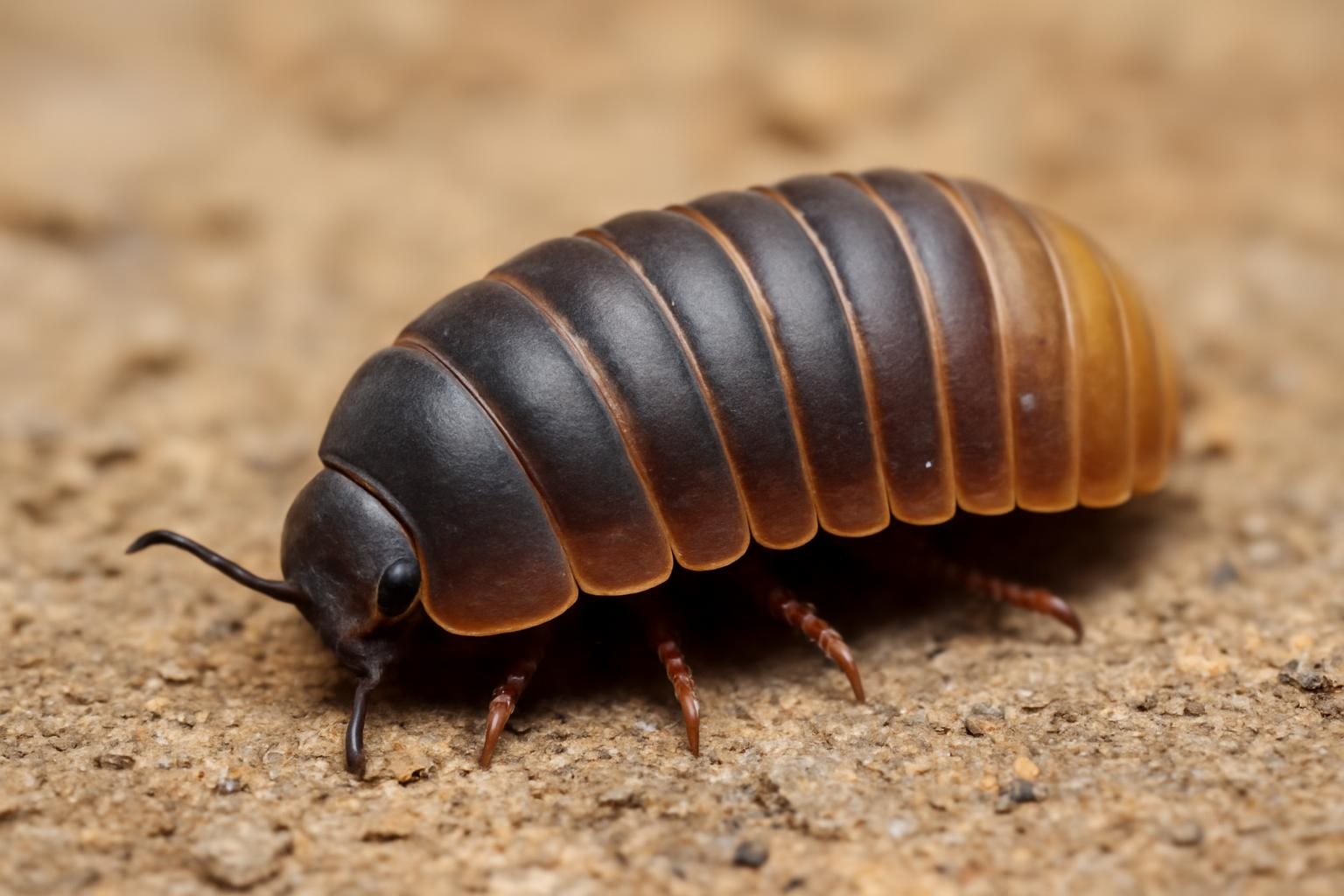
Caring for blonde rubber ducky isopods is less a task and more a quiet dialogue between creature and keeper. They ask for moisture, but not too much; warmth, but not oppressive; shelter, but not confinement. Their needs reflect a natural balance, a reminder that all living things flourish where extremes are softened.
A terrarium that mimics the undergrowth of a forest floor suits them best. Bark laid like forgotten shingles, soil dark as an old tale, patches of moss that hold droplets like crystal beads. When such a home is crafted with patience rather than perfectionism, the isopods settle with an ease that feels almost grateful.
They thrive in stillness. A man hovering too long may notice they fold themselves into small curls like secrets being tucked away. But give them distance, give them time, and they unfurl again. It is a small courtesy to offer, and it is repaid in full by the simple pleasure of watching them go about their business with unhurried purpose.
Blonde Rubber Ducky Isopods Breeding and the Soft Cycle of Life
In the hidden world of these isopods, the continuation of life is a matter of quiet persistence. Their lineage travels not through fanfare but through soft rituals and gentle timing. When the conditions are right moist soil, safe shelter, steady warmth their numbers grow in a slow but steady procession.
The mothers tuck their young into brood pouches, keeping them close until the tiny travelers are ready to greet the world. When they emerge, they are pale as moonlight, nearly translucent, carrying the promise of the soft golden tint they will one day adopt. Watching their growth is like witnessing dawn learn to become day.
There is no spectacle, no triumph shouted from treetops. Only the steady renewal of life in miniature, echoing the quiet cycles stitched through the natural world since time began. It is humbling, in a way, to see how so modest a creature participates in the same ancient rhythm that guides all living things.
Blonde Rubber Ducky Isopods Significance and the Human Heart
A man might wonder why such small beings have gathered admirers across the world. One could say it is their color, or their rarity, or the simple novelty of their name. But perhaps the truth reaches deeper. Perhaps people are drawn to them because they remind us that beauty does not ask for permission to exist. It simply does.
In a world where noise grows louder each day, the blonde rubber ducky isopods offer something quieter an invitation to look closer, breathe slower, and find wonder in the humble instead of the grand. They are a whisper from the old earth, telling us that even its smallest citizens carry stories worth hearing. And perhaps that is enough. Perhaps it is more than enough.