There was a time when janitors hauled open jugs of potent liquids as though they were wrangling wild spirits in bottles. The air hung heavy with fumes, labels peeled like old memories, and spills told stories nobody wished to hear twice. Yet the world turns, and with that turning came a notion whispered first in factories, then in corridors, and finally into the hands of those who clean after us: closed loop chemical in janitorial services.
This system, sealed and sensible, leaves no room for the usual mischief of splashes and mistaken mixtures. It is a quiet kind of revolution, the sort that slips in through the supply closet and sets things right without making a fuss. And like most revolutions worth celebrating, it began with a simple truth people deserve to work safely.
Why Closed Loop Chemical in Janitorial Services Matters
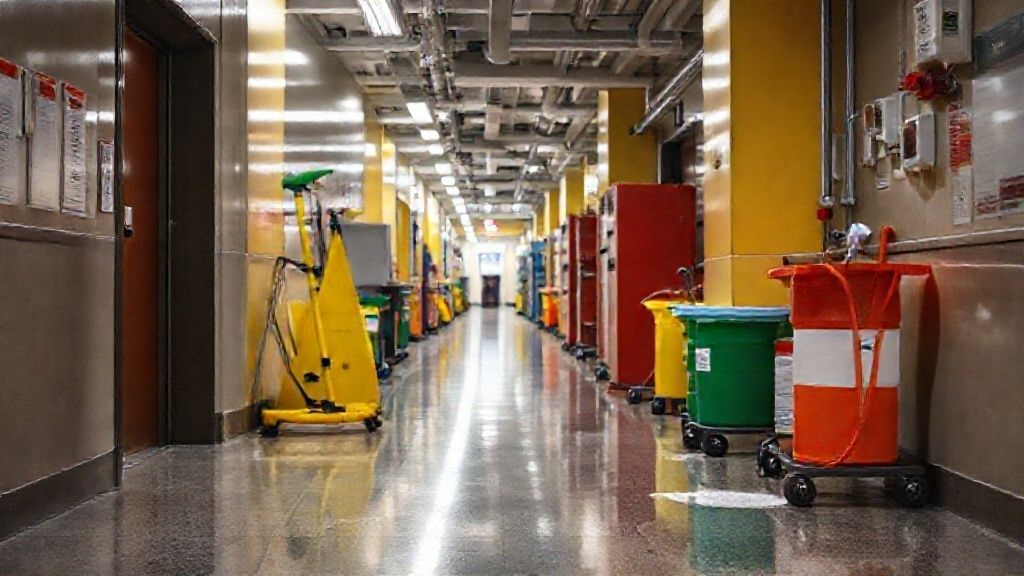
When a worker reaches for a chemical, there should be no guessing. The bottle should not hiss like a snake when opened or stain the floor should it tip. Closed loop systems banish these old troubles by sealing the chemical in a cartridge, keeping it from the clumsy hands of chance. The dilution happens inside the machine, away from wandering eyes and uncertain judgment.
In this sealed quietness lies the system’s real charm. The janitor does not need to measure or bend over a sloshing bucket. The chemical meets the water in its own tidy chamber, and what emerges is predictable, steady, and safe. The world is full of surprises already; there is no need to court more in a mop room.
Efficiency and Consistency in Closed Loop Chemical in Janitorial Services
There is a kind of poetry in uniformity, especially when work stretches from sunrise to well past supper. One day’s mixture looks like the next, and the one after that follows suit without complaint. In the closed loop chemical in janitorial services model, this consistency becomes the backbone of the operation.
Workers do not wonder whether too much concentrate found its way into the bucket or whether the surface will streak like a stubborn memory. Each pull of the system sends forth the same exact mixture steady as the ticking of a good pocket watch. And in this steady rhythm, productivity grows almost without effort.
A tidy supply chain blooms from such order. No more half empty jugs tucked behind forgotten brooms. No mismatched containers sitting like orphans waiting for attention. Instead, cartridges slide into their stations, click into place, and stand ready to serve.
Sustainability and Closed Loop Chemical in Janitorial Services
The earth, for all its patience, does not cotton well to waste. And traditional cleaning operations cast off plastic jugs as though the land could swallow them without consequence. Closed loop chemical in janitorial services steps in with a different temperament altogether.
The cartridges, smaller and sturdier, reduce the plastic burden with the quiet confidence of a system that knows it can do more with less. There is no chemical runoff from careless mixing, no spills that run like guilty rivers into drains. Each component respects its boundaries, and in doing so, respects the world itself.
In many places, the cartridges find a second life through recycling programs designed to coax every bit of usefulness from their frames. And should a spill occur, it is far easier to contain a small mercy, but a meaningful one.
Safety Benefits of Closed Loop Chemical in Janitorial Services
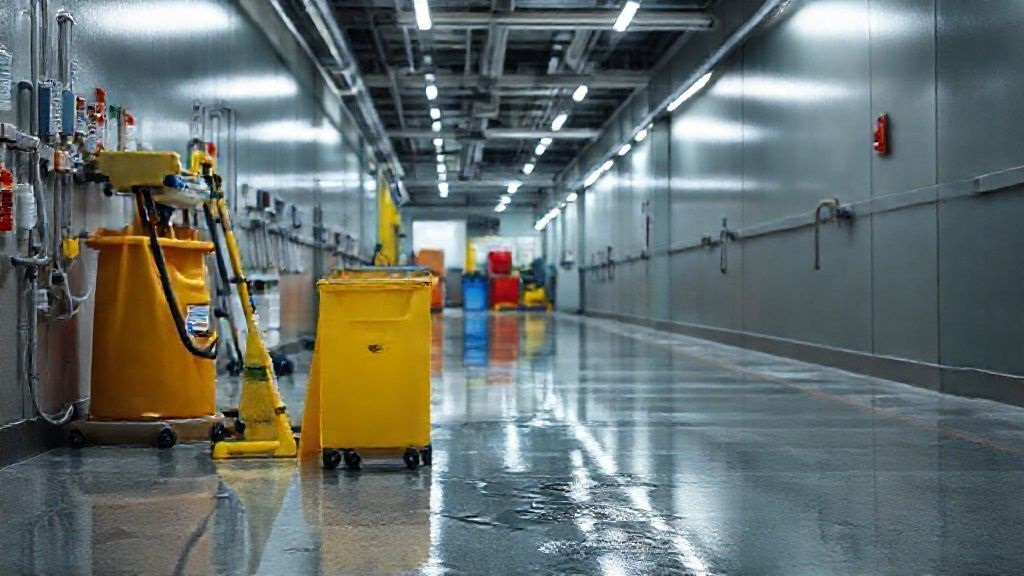
There is no mistaking the sting of a strong chemical in the air, the kind that makes a person squint and cough as though the room itself has turned against them. But in a closed loop system, the chemical stays exactly where it belongs.
Workers no longer breathe vapor rising from uncapped containers. Their skin does not meet splashes that mark like errant lightning. Their eyes do not water from accidental fumes creeping upward like unwelcome ghosts.
Instead, the system requires little more than the insertion of a cartridge, a twist, and a click. A whisper of movement rather than a storm. And for many janitors, this difference is the line between discomfort and dignity.
Adoption Challenges of Closed Loop Chemical in Janitorial Services
Even the best ideas must wrestle with hesitation before settling into the world. Closed loop chemical in janitorial services is no exception. The cartridges, the dilution stations, the specialized equipment these demand a first investment, a promise that the new way is worth the trouble.
And so managers weigh their budgets, tapping their fingers like poker players trying to read the table. But most find that the long term savings less waste, fewer injuries, better consistency carry the day. Once the system is in place, workers adapt with surprising swiftness. After all, convenience is a language understood everywhere.
The Future of Closed Loop Chemical in Janitorial Services
The world grows wiser at its own pace, and though the pace can be slow, it rarely turns backward. Closed loop chemical in janitorial services now stands at the edge of larger change, with innovations humming beneath its foundations.
Smarter dilution machines may soon speak to inventory systems, forecasting when cartridges run low. Formulations may come in concentrated forms so refined that a single cartridge lasts longer than a worker’s shift. Sustainability pressures may push manufacturers into designing cartridges made from plant based materials, sturdy yet harmless when their work is done.
The industry is breathing deeper, cleaner air as it moves forward. And though no system is perfect, this one feels like a step toward a world where safety and efficiency share the same broom closet without quarreling.
Closed Loop Chemical in Janitorial Services as a New Standard
There is something almost noble in the quiet labor of those who clean. Their work shapes the spaces others take for granted. The least the world can offer them is safety, consistency, and a bit of ease in their craft. Closed loop chemical in janitorial services, with its sealed cartridges and spill free promise, answers that call with the steady reassurance of a system built to protect.
And as more organizations adopt it, the old ways open pails, sloshing jugs, sharp fumes will fade like outdated tales told around a campfire. What will remain is a standard born of common sense and respect. A small revolution, perhaps, but a meaningful one all the same.