As the trees shed their golden leaves and the air turns crisp, the world aboveground prepares for the slow slumber of winter. Yet beneath the house, in that quiet and often forgotten space we call the basement, the season brings its own share of trials. The fall season is a time of change, not just for the fields and forests, but for foundations, pipes, and walls as well. The common basement concerns during the fall season are as inevitable as the turning of the leaves, and for the wise homeowner, it’s best to meet them head on before they grow into something larger and more troublesome.
When autumn’s chill begins to creep into the soil, moisture follows in strange and unpredictable ways. Rain and melting leaves can clog drains, soil expands and contracts, and old mortar gives way where it once stood firm. The basement becomes a battleground between dryness and dampness, warmth and cold, comfort and decay.
Basement Water Leaks and Moisture Problems in Fall
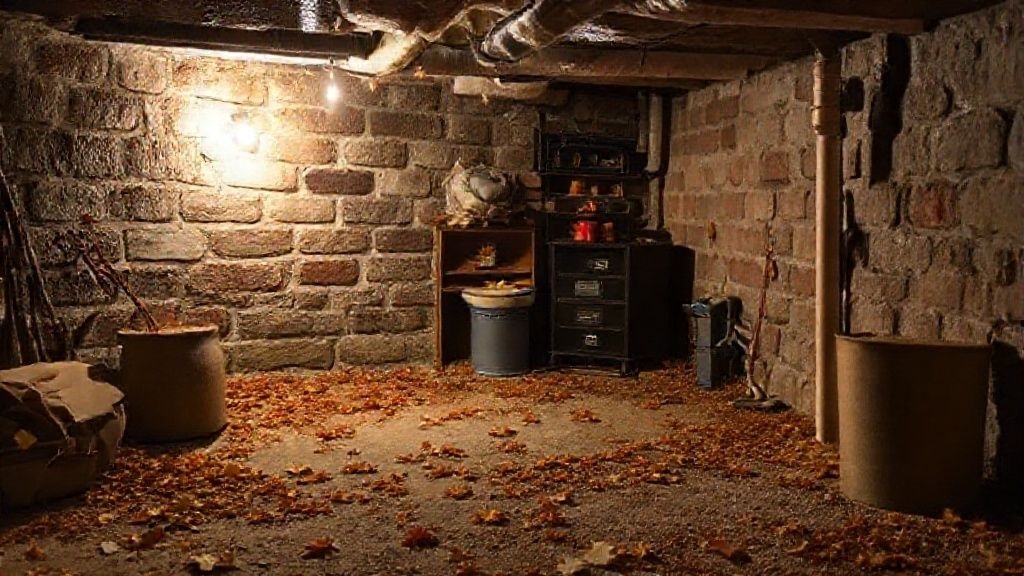
When the clouds gather and the rains come steady, water becomes the most persistent intruder of all. Basements, by their very nature, are surrounded by earth an eager companion to water. During the fall season, heavy rainfalls and blocked gutters can cause water to pool around the foundation, seeping through cracks and tiny fissures.
What starts as a faint dark patch on the concrete wall soon blossoms into a musty smell, then a stain, and finally a quiet invasion of mold. The moisture doesn’t come with the fury of a storm; rather, it sneaks in like a thief in the night. You may never hear it, but you will know its presence soon enough on your stored boxes, on the corners of your carpet, or in the air itself.
The common basement concern here is not just the leak, but the subtle consequences it brings. Moisture changes the very temperament of the house. Wood swells, metal rusts, and even the air begins to carry a heaviness that is hard to ignore. The wise homeowner pays heed to the first signs: a damp smell, a cold draft, a water ring on the wall.
Foundation Cracks and Shifting Soil
As the temperature drops, the soil beneath the home responds in kind. The dance between dry and wet earth becomes unpredictable. In some regions, the fall season means weeks of rain followed by sudden cold snaps. These changes can cause the soil to contract and expand, slowly pushing and pulling at the foundation.
Foundation cracks are among the most unsettling of all basement concerns during the fall season. They begin small, hairline thin, almost invisible unless one stoops close. But time and neglect are their greatest allies. Left unattended, they grow into crooked lines of weakness, threatening the very stability of the home above.
Sometimes, the cracks do not even start from the basement itself. They come from the ground outside, from roots that stretch and twist, from frost that seeps deep and forces the earth upward. The homeowner who understands this sees the house not as a fortress but as part of nature’s grand cycle a structure that must yield and adapt, lest it break.
Mold and Air Quality Issues in Fall Basements
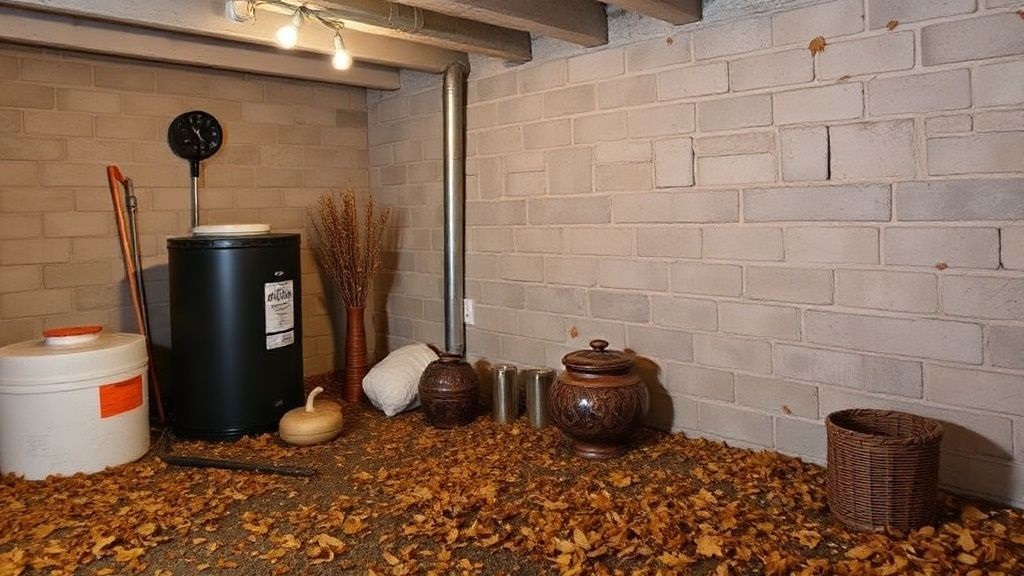
When the air outside grows colder, basements tend to become closed spaces. Windows stay shut, vents are blocked, and the natural flow of air slows to a crawl. This stillness, coupled with moisture from leaks or condensation, creates a perfect breeding ground for mold.
Mold is a quiet and stubborn enemy. It does not roar or crash, yet its presence can make a home sickly. During the fall season, when humidity lingers and sunlight grows scarce, mold finds a home in the shadows. It hides behind drywall, beneath old carpets, and around forgotten corners. The air may feel thick, heavy, or oddly musty a sure sign that the basement’s health is slipping away.
Common basement concerns during the fall season often circle back to one truth: water and air are never truly separate. A damp basement breeds poor air, and poor air creeps upward, filling the rooms above. The family that breathes it in may not notice at first, but the effects grow over time. A clean, dry basement is not a luxury; it is the foundation of a healthy home.
Heating, Insulation, and Fall Temperature Fluctuations
Autumn weather is a fickle companion. One day brings warm sunlight, the next a sharp, biting cold. The basement feels this change first. Poor insulation can turn it into a damp cavern or a freezer overnight. As warm indoor air meets cold basement surfaces, condensation forms tiny beads of water that gather and trickle, leaving behind the beginnings of future troubles.
Among the most common basement concerns during the fall season is improper temperature control. Heating systems that once worked fine during summer’s idle months suddenly strain under the chill. Pipes may contract, joints loosen, and unseen drafts enter through window wells and vents.
A well insulated basement is a steady one. It keeps warmth where it belongs and shields against the restless moods of the season. Those who tend to their insulation early in fall save themselves from the costly repairs that winter so often brings.
Pests Seeking Shelter from the Cold
When the nights grow longer, the world’s small creatures begin their own migration. Mice, insects, and spiders seek warmth, and few places seem as welcoming as a quiet basement. The scent of stored food, cardboard boxes, or old fabrics calls to them like a whisper.
This, too, is a common basement concern during the fall season. A single small hole near a vent or crack in the foundation is invitation enough. Once inside, pests find nesting spaces behind walls or beneath flooring, and by the time the first snow falls, the problem may already be well rooted.
It is not malice that brings them in; it is survival. But to protect the peace of a home, one must inspect, seal, and clean before the frost truly sets in. A basement left unchecked during autumn is a welcome mat to the natural world outside.
Preparing Your Basement for the Season Ahead
The fall season, though rich and beautiful, is not gentle. It tests the home’s resilience in quiet ways. From moisture to mold, cracks to creatures, the common basement concerns during the fall season remind us that even the sturdiest structures require care.
A homeowner who listens to the signs of the season who checks the corners, cleans the drains, and respects the nature of water and earth will find peace beneath their feet when winter arrives. For it is not the storm above that causes the most trouble, but the neglect below.
And so, as the leaves fall and the wind turns sharp, one might do well to step down those creaking stairs and take a look around. For the health of a house begins not with its roof, but with its foundation the quiet basement where autumn’s secrets are first revealed.