The tale of the automatic fire hydrant aircraft begins where the earth smolders and the sky hangs heavy with smoke. These airborne machines, fitted with systems that think quicker than a frightened horse, were born from the stubborn human desire to tame fire before it takes the world by the collar. In the old days, pilots wrestled with bulky levers and sluggish tanks, but now technology steps forward like a calm hand on a skittish creature, guiding the craft to act before flames find their freedom.
An automatic fire hydrant aircraft is more than a flying vessel with water tucked in its belly. It is a sentinel, a watchman perched high above the treetops, ready to unleash a flood the moment danger sparks. With sensors sharp as a seasoned scout’s eyes and mechanisms nimble enough to release torrents mid flight, these aircraft change the rhythm of firefighting. No longer must crews wait for instruction; the craft itself can measure heat, wind, and terrain, choosing its moment with unerring precision.
The world has grown warmer than an August afternoon, and fires have learned to run faster than the rivers meant to quench them. In such times, an aircraft that can react automatically becomes not just a tool but a partner in survival.
Automatic Fire Hydrant Aircraft Technology in Modern Emergencies
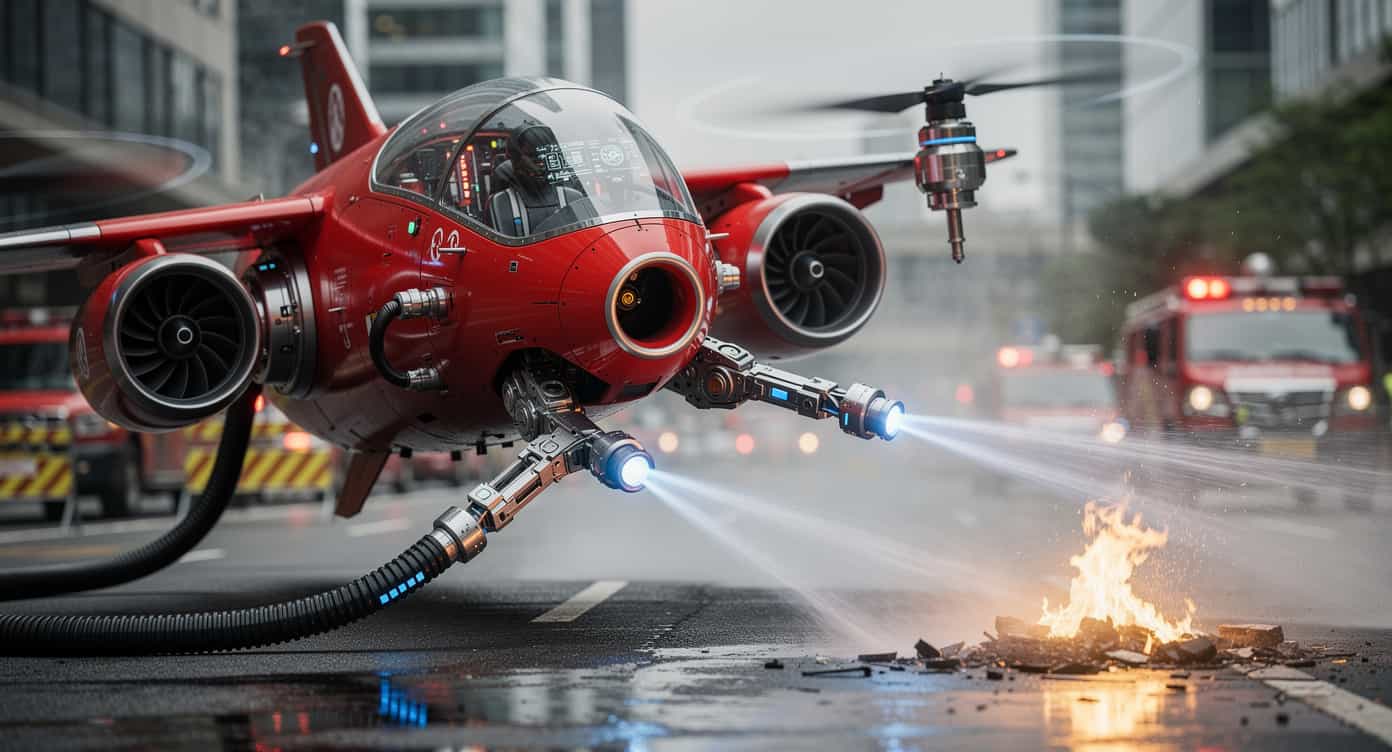
As fires crawl across mountainsides and sweep through valleys like red tongued dragons set loose, the technology behind automatic fire hydrant aircraft grows all the more essential. These systems rely on a blend of sensors, thermal imaging, onboard calculations, and release mechanisms that open their tanks with the certainty of a practiced storyteller turning a page. Once the aircraft senses the right conditions, the release happens in a breath no hesitation, no human fumbling with controls.
Imagine a craft soaring through smoke clogged skies, the heat rising like a vengeful spirit beneath it. The sensors spot the hottest pockets, the wind sings its direction, and the automatic system makes its choice. Down below, crews on the ground see the aircraft as a streak of hope, cutting through the sky and releasing water or retardant with a grace unexpected from machines of metal and fuel.
In emergencies, timing is everything. The difference between a hillside saved and a town lost may be measured in seconds. These aircraft shave off those precious seconds, striking before the fire has time to leap. With each pass, they draw a line of wet earth the fire dares not cross, a boundary laid down by precision and speed.
Benefits of Automatic Fire Hydrant Aircraft in Harsh Conditions
Where the air turns sharp with heat and the day grows dim beneath a cloak of rising smoke, the automatic fire hydrant aircraft proves its worth. One of its great virtues lies in relieving pilots of the heavy burden of judgment during tense moments. Instead of juggling controls while wrestling the turbulence of a fire’s breath, pilots trust the system to release its load at the perfect instant.
Such automatic precision allows the aircraft to fly lower, closer, and braver than older machines dared. It makes each drop more effective, each run more meaningful. The ground crews feel these benefits as well, for the aircraft delivers its aid where it’s needed most, not where human error may mistakenly guide it.
Harsh winds that swirl unpredictably over burning terrain can trip up even seasoned aviators. Yet an automatic system can adjust in real time, measuring the invisible forces that tug at the fuselage and compensating with calm, deliberate calculation. This steadiness becomes a lifeline for those below, a reminder that even in chaos, some things can still be counted on.
Reliability keels the craft steady as a riverboat following its familiar route. When firestorms roar loud enough to shake a person’s resolve, these aircraft remain steadfast, answering crisis with certainty. The automatic fire hydrant aircraft does not second guess or fear; it acts.
Future Developments in Automatic Fire Hydrant Aircraft Capabilities
What lies ahead for automatic fire hydrant aircraft is a horizon bright with promise. Engineers and dreamers alike push forward, sketching designs that stretch the imagination. They envision aircraft that glide farther, carry more, and measure danger with the instinct of a forest creature born among flames.
There is talk of swarms fleets of smaller craft working together like geese in a crisp morning sky, each one sensing the movements of the others and adjusting effortlessly. These swarms could blanket immense areas before a blaze has a chance to rise to its full fury.
Another thread of innovation follows artificial intelligence, granting aircraft the ability to study terrain, predict fire behavior, and choose flight paths that outsmart even the wildest blaze. Such machines could one day scout ahead of human crews, mapping paths of retreat or attack, reading the land like a seasoned wanderer who knows every ridge and hollow.
Some inventors dream still bigger, imagining aircraft powered cleanly and silently, engines humming without belching smoke into an already strained sky. When the day comes that these aircraft rise without adding to the world’s burden, it will mark a small but meaningful victory in the long contest between flame and humanity.
And so the story continues. Fires will burn that is the way of the world. But the automatic fire hydrant aircraft stands as a guardian above them, a reminder that while destruction may be swift, human ingenuity can be swifter.
In the end, these machines are not merely technical creations but companions in the vast, stubborn effort to protect life, land, and the fragile threads that bind them. They soar with purpose, dropping lifelines where they are needed most, and their tale is still being written with each rising plume and each triumphant rainfall from the sky.